
 English
 Français
 Español
 日本語
 العربية
 繁体中文

What Happens If CarPlay Hardware or Firmware Changes After the Test Sample Is Submitted?
Contact:Olivia
Email: [email protected]
WhatsApp: +8617663606879
Website:https://blueasialabs.com/
Your CarPlay test sample has already been submitted. Then, your engineering team updates the firmware, replaces a hardware component, or modifies the product configuration.
Does this mean the previous test results are no longer applicable?
For automotive OEMs, Tier 1 suppliers and infotainment system developers, managing product changes during a certification project is an important part of keeping development and validation activities aligned.
1. Understanding Apple's MFi Certification Process
CarPlay is included in Apple's Made for iPhone (MFi) Program.
According to Apple's official MFi program overview, the certification process generally includes four stages:
Product Plan: Submit a Product Plan for the accessory integrating MFi technology.
Development: Design, develop and test the product, including the procurement of required MFi components.
Certification: Use Apple's certification tools and submit production-ready samples and packaging materials for review.
Mass Production: Begin manufacturing and sales after certification approval from Apple.
This process highlights the importance of maintaining consistency between product development, certification samples and the final production configuration.
2. What If Hardware or Firmware Changes During Testing?
Not every engineering change has the same impact. The key is to understand what has changed and whether the modification affects the functions or characteristics covered by the original validation activities.
A. Hardware Changes
Examples of potential hardware changes include:
Replacing the main chipset or processing platform.
Modifying USB interfaces or related components.
Changing the power management design.
Updating communication or peripheral components.
Depending on the affected functions, these changes may require an engineering impact assessment and additional verification.
For example, replacing a component that affects the USB interface may require the team to review whether the relevant interface performance and interoperability results remain representative.
B. Firmware and Software Changes
Firmware updates can also introduce changes to product behavior.
Areas worth reviewing include:
CarPlay connectivity and initialization.
USB communication behavior.
System stability and recovery.
Audio-related functionality.
Compatibility with the existing hardware configuration.
A firmware update does not automatically invalidate previous test results. However, the engineering team should assess whether the update affects any previously validated functions.
3. What Has Not Automatically Changed?
It is important to distinguish between an engineering change and a formal certification decision.
Apple's publicly available MFi overview describes the certification stages and the submission of production-ready samples. However, it does not establish a universal rule that every hardware or firmware modification requires a complete repetition of the certification process.
Therefore:
A minor software correction does not automatically mean the entire project must be retested.
A hardware replacement does not automatically mean that all previous test results are invalid.
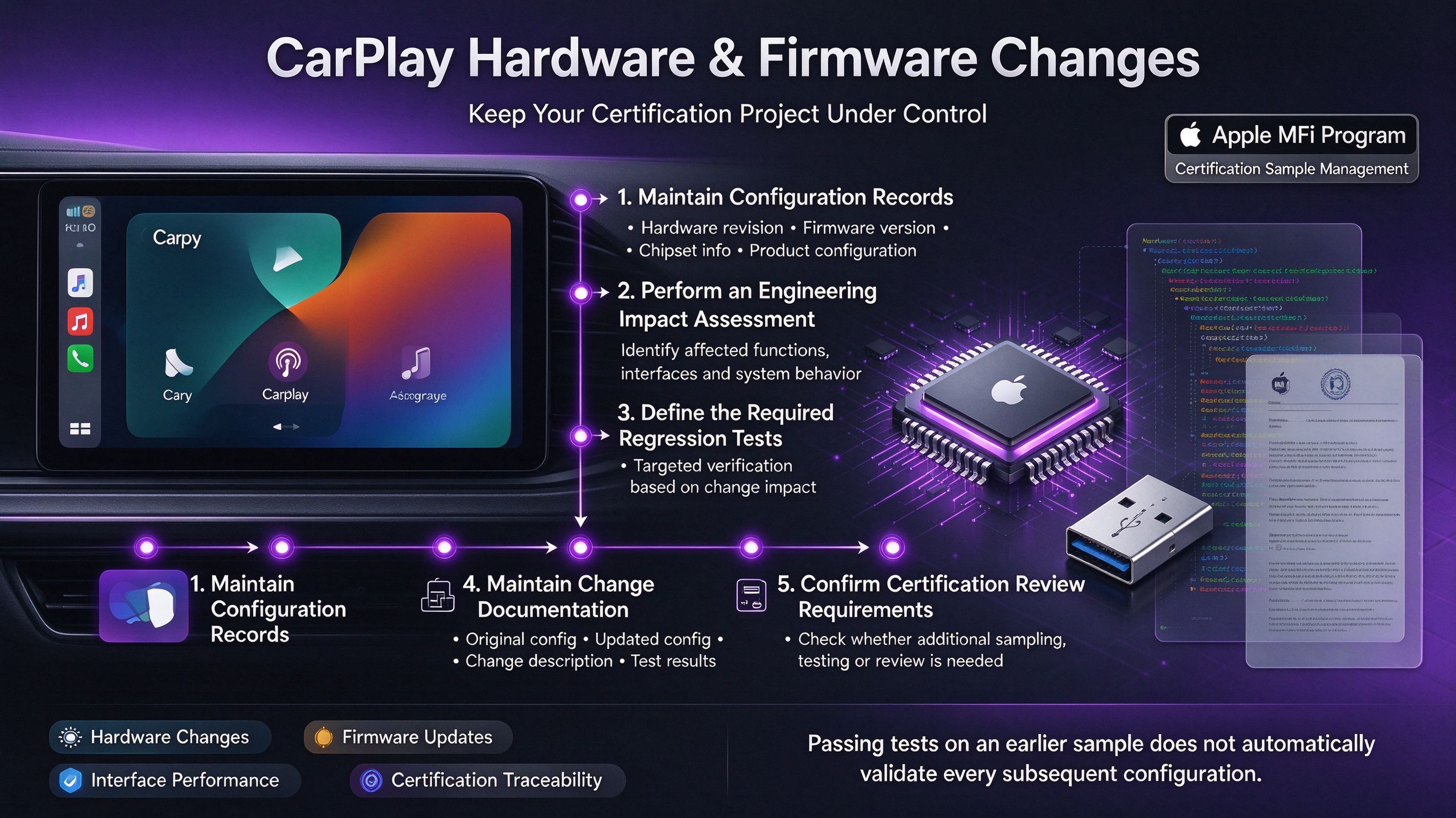
Passing tests on an earlier sample should not automatically be treated as evidence that every subsequent product configuration is equivalent.
Whether an updated sample or additional review is required should be confirmed through the applicable MFi project process.
The appropriate response depends on the nature of the change, its technical impact and the relevant certification review requirements.
4. Practical Action Plan: How to Manage Changes
For OEMs and Tier 1 suppliers, the following practices can help reduce configuration-related risks.
Step 1: Maintain Configuration Records
Record the hardware revision, firmware version, chipset information and relevant product configuration of the submitted sample.
Why it matters: This provides a clear reference when comparing the tested sample with the updated product.
Step 2: Perform an Engineering Impact Assessment
Identify which functions, interfaces or system behaviors may be affected by the proposed modification.
Why it matters: It helps determine whether previous validation results remain representative.
Step 3: Define the Required Regression Tests
Select verification activities based on the affected functions rather than automatically repeating every test.
Why it matters: This helps focus engineering resources on areas potentially affected by the change.
Step 4: Maintain Change Documentation
Keep records of the original configuration, updated configuration, change descriptions and relevant test results.
Why it matters: Clear documentation supports technical communication and project traceability.
Step 5: Confirm Certification Review Requirements
Before proceeding with the updated sample or production configuration, confirm with the relevant MFi project contact whether additional sample submission, testing or review is necessary.
Why it matters: Engineering verification and formal certification approval are not necessarily the same process.
These steps are recommended engineering and project-management practices, not a statement that Apple mandates the same procedure for every product modification.
5. From Sample Submission to Production: Keep Your Project Under Control
CarPlay development involves coordination between hardware design, firmware development, system integration and certification activities.
A well-managed change process helps teams identify potential risks earlier, maintain traceability and avoid unnecessary delays during project validation.
For automotive manufacturers and infotainment system developers, the goal is not simply to complete testing. It is to ensure that the product configuration moving into production remains consistent with the configuration that has been appropriately reviewed and validated.
At Blue Asia, we work in electronic testing and certification, including automotive electronics compliance. If your team needs to discuss testing arrangements or automotive certification requirements, feel free to contact us.
Contact:Olivia
Email: [email protected]
WhatsApp: +8617663606879
Website:https://blueasialabs.com/
Good configuration management is an important part of a controlled certification process.
 博客
What Happens If CarPlay Hardware or Firmware C
阅读文章
 博客
Automatic and Manual eCall Activation: What Ca
阅读文章
 博客
Android Auto Testing Standards and Test Items
阅读文章
 博客
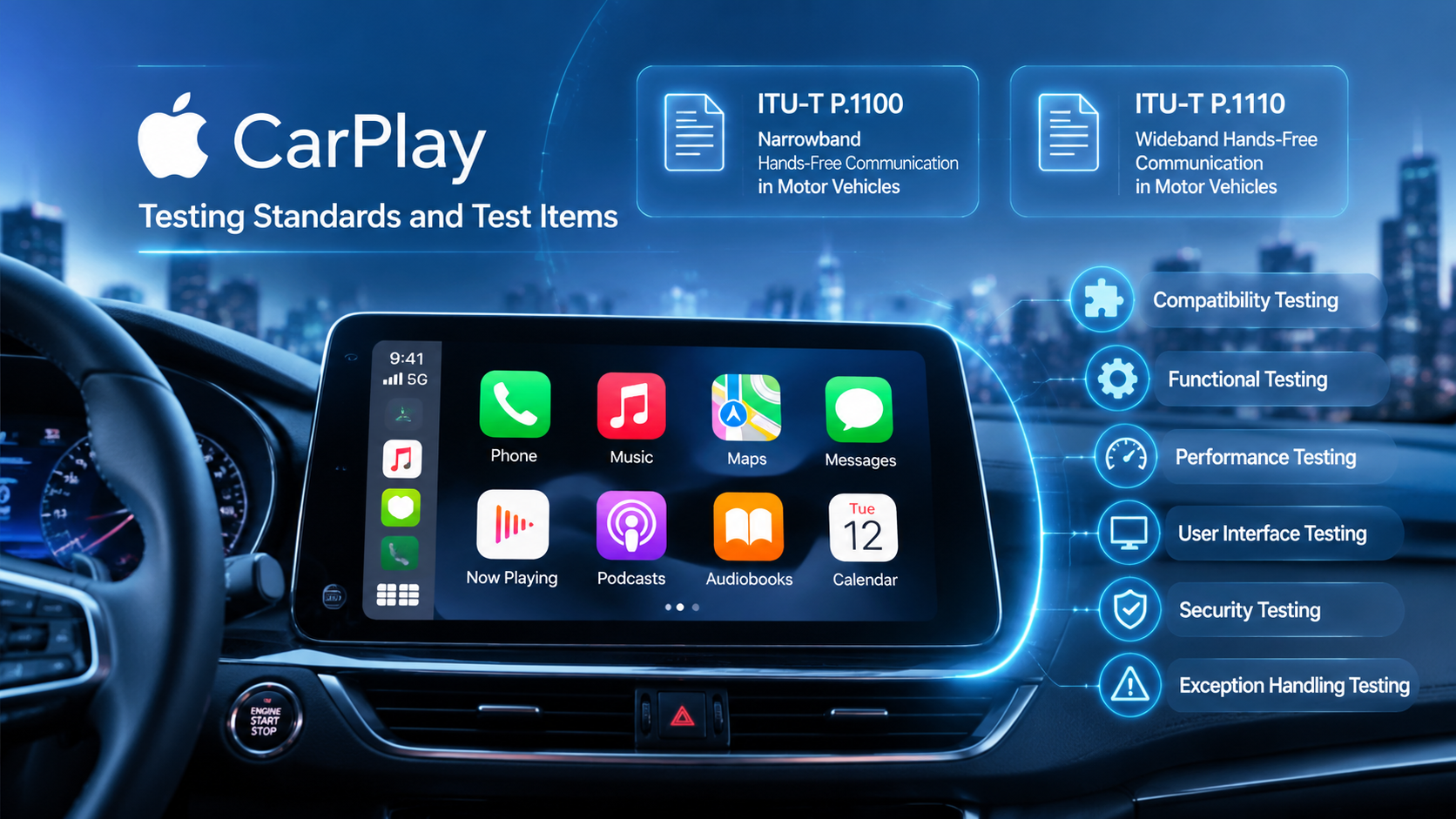
CarPlay Testing Standards and Test Items
阅读文章
 博客
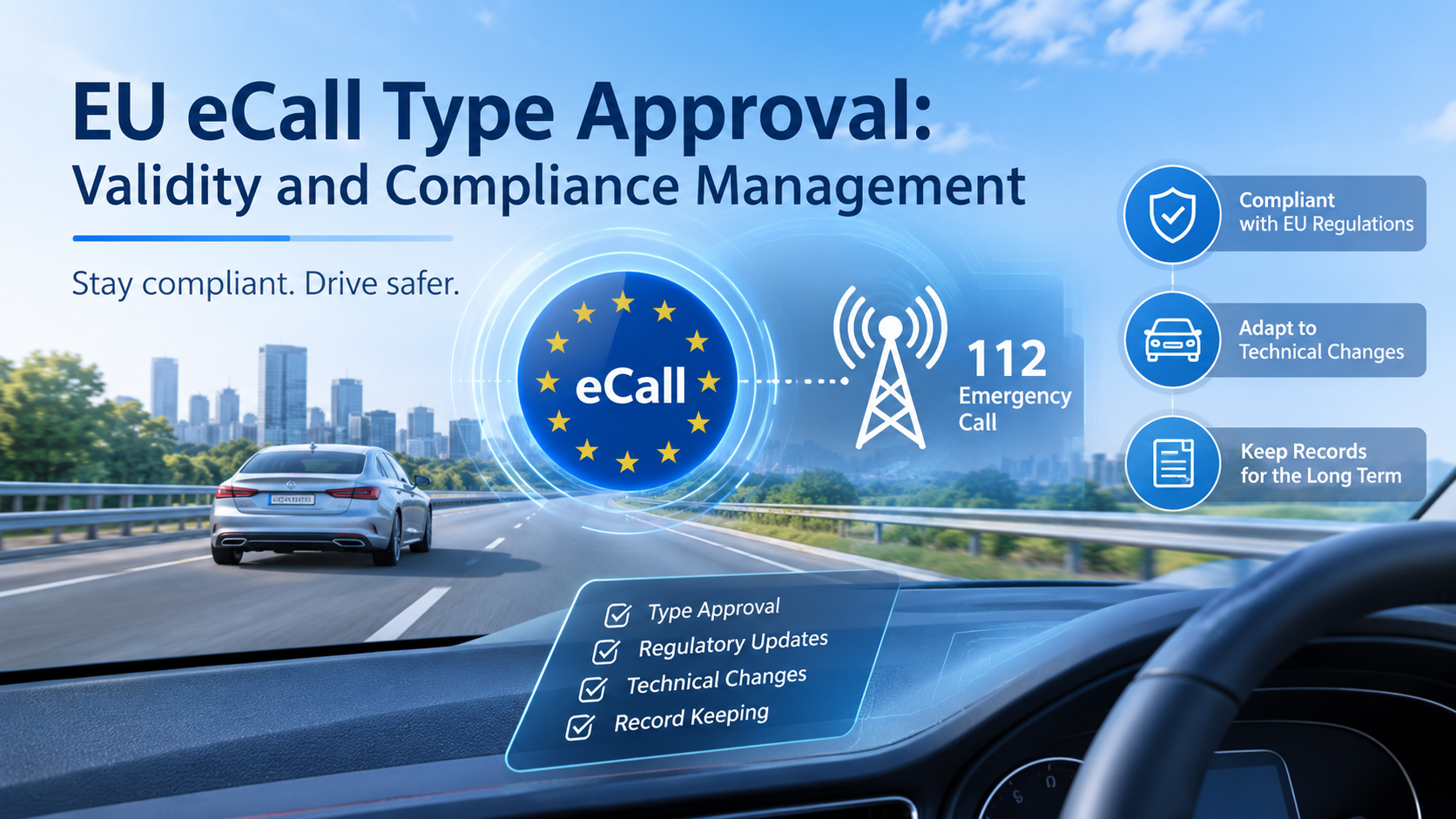
EU eCall Type Approval: How Long Is It Valid,
阅读文章
 博客
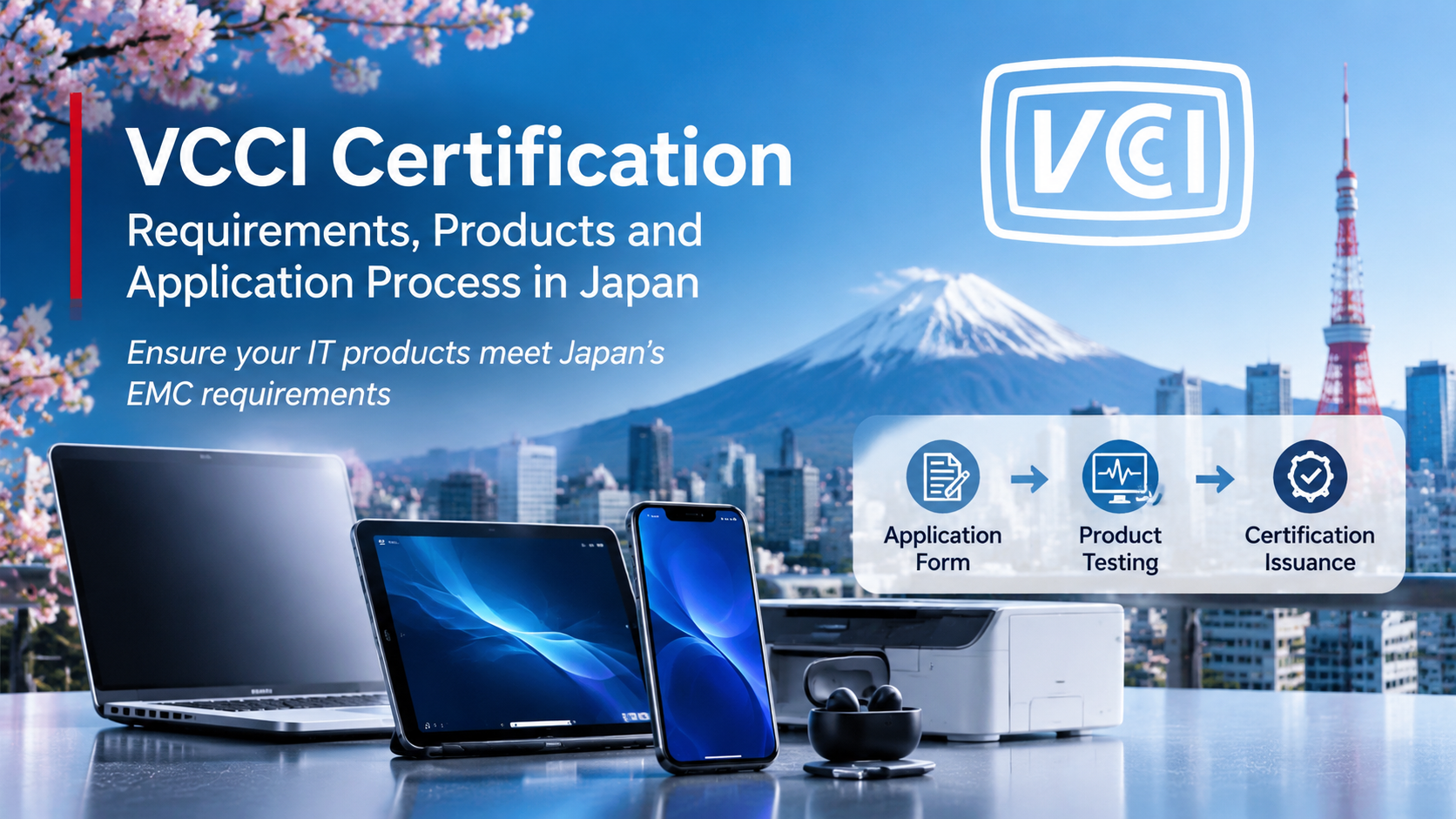
What Is VCCI Compliance in Japan? Product Scop
阅读文章

 4000259520